
Sealants & Waterproofing
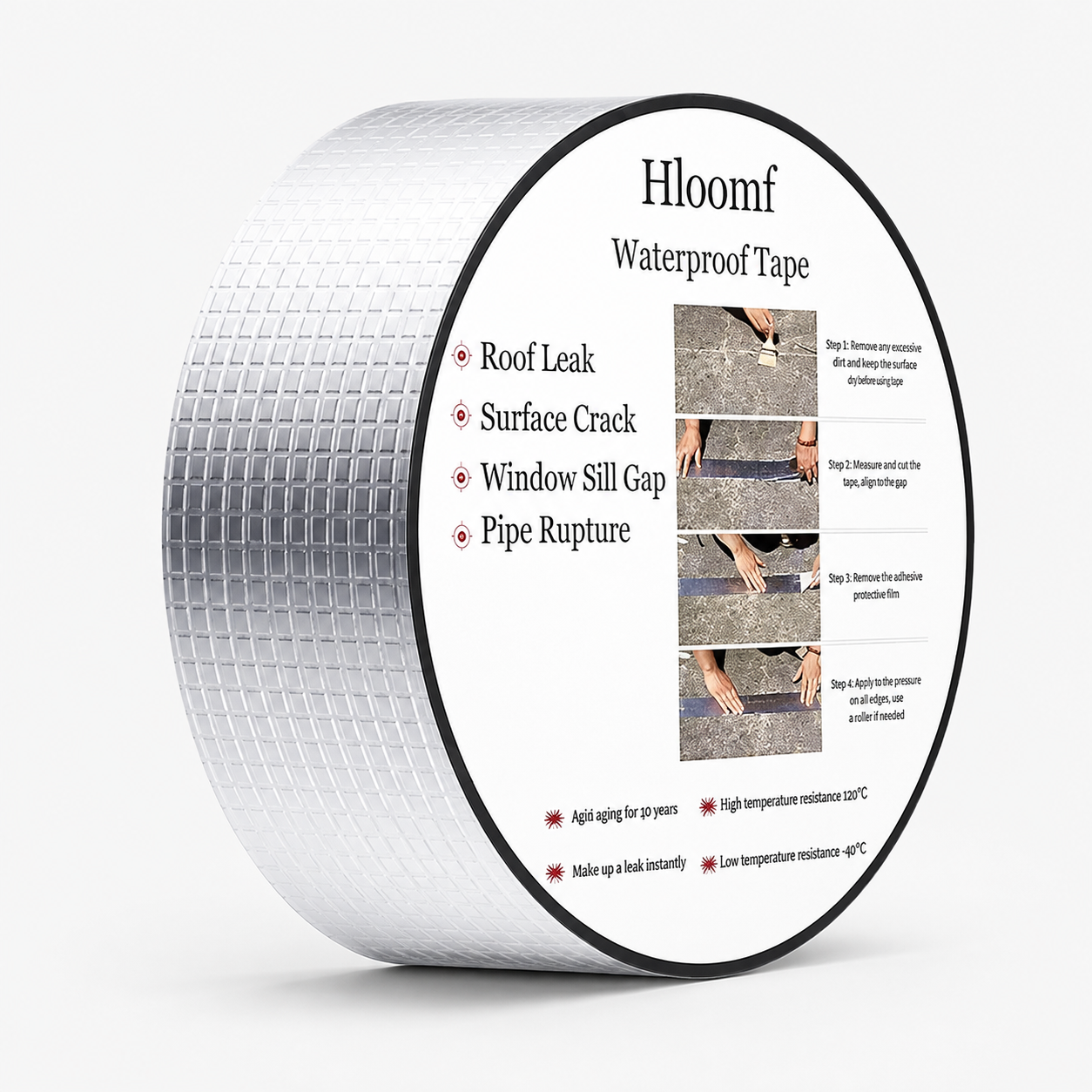
Hloomf Butyl Rubber Tape 50mm x 5m
Self-adhesive waterproof butyl sealing tape with a silver aluminium foil face for roof flashing, leak repairs, joints and general weatherproof sealing. 50mm wide x 5m long.
£10.98
Guide
The short answer
Resisting water and sealing against it are two different jobs. Here is which tape suits a leak, a joint or an outdoor fixing, and why.
"Waterproof" is printed on a lot of tape, and it does not always mean the same thing. A tape can resist water landing on it without being designed to stop water getting through a joint. Those are two different jobs, and picking the wrong one is the usual reason a repair fails a fortnight later.
The short version:
Cloth duct tape has a waterproof backing. Rain will not soak through it and it will not fall apart if it gets wet. That makes it a sound choice for a repair that needs to survive damp conditions: bundling cable in a garage, patching a sheet, holding something in place outdoors while you get on with the rest of the job.
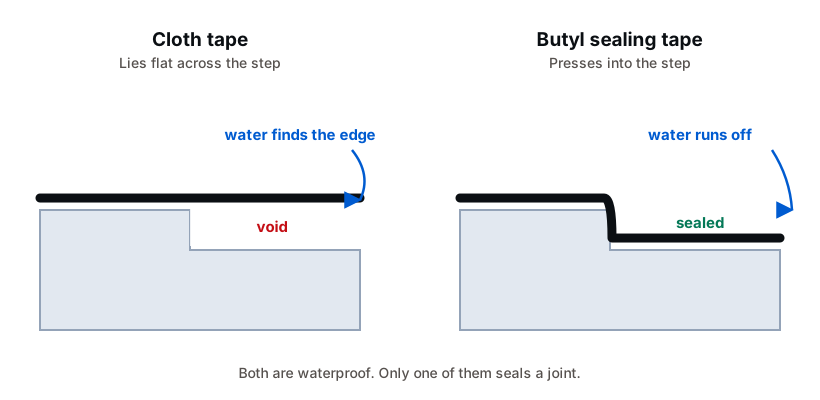
What it is not designed to do is form a watertight seal along a joint. The adhesive sits on the surface. Where two materials meet and move slightly, or where the surface is uneven, water will find the edge eventually.
Butyl sealing tape is built for that second job. It is a thick, soft butyl layer with an aluminium foil face, and the butyl is conformable, so pressing it down makes it follow the shape underneath rather than bridging over the gaps. It is the type used for roof flashing, gutter repairs, sheet joints and localised roof leaks.
If water is the thing you are trying to stop, rather than the thing you are working in, that is the difference that matters.
Almost every tape failure outdoors comes down to the same thing. The surface was not clean, or it was not dry.
Before anything goes on, take off dust, grease, loose material and standing water. Then press firmly across the whole bonded area rather than just running the tape on. Adhesives of this kind need contact pressure to work, and the edges are where a repair starts to lift.
One habit worth having with a sealing repair: carry the tape onto sound material either side of the damage rather than covering only the damaged line. A patch that stops at the edge of a crack has nothing solid to hold on to.
Double sided tape is an indoor product. It wants a smooth, clean, dry surface, and dust, grease, moisture or heavy texture will all reduce its grip.
It is genuinely useful for mounting light items, organising a workspace and holding things where a screw would be overkill. It is the wrong answer for anything outdoors, anything structural and anything where a failure would matter.
Cutting a longer strip, or a wider one, gives more adhesive contact and a better hold. If you find yourself hoping a small piece will do, that is the sign to use more rather than to expect more.
Two questions usually settle it.
Is water trying to get through, or just land on it? Getting through means a sealing tape. Landing on it means a cloth tape is likely fine.
Will the surface move? Joints and sheet edges need something conformable that can take a little movement without letting go.
Sealants & Waterproofing
Self-adhesive waterproof butyl sealing tape with a silver aluminium foil face for roof flashing, leak repairs, joints and general weatherproof sealing. 50mm wide x 5m long.
£10.98
Duct & Cloth Tape
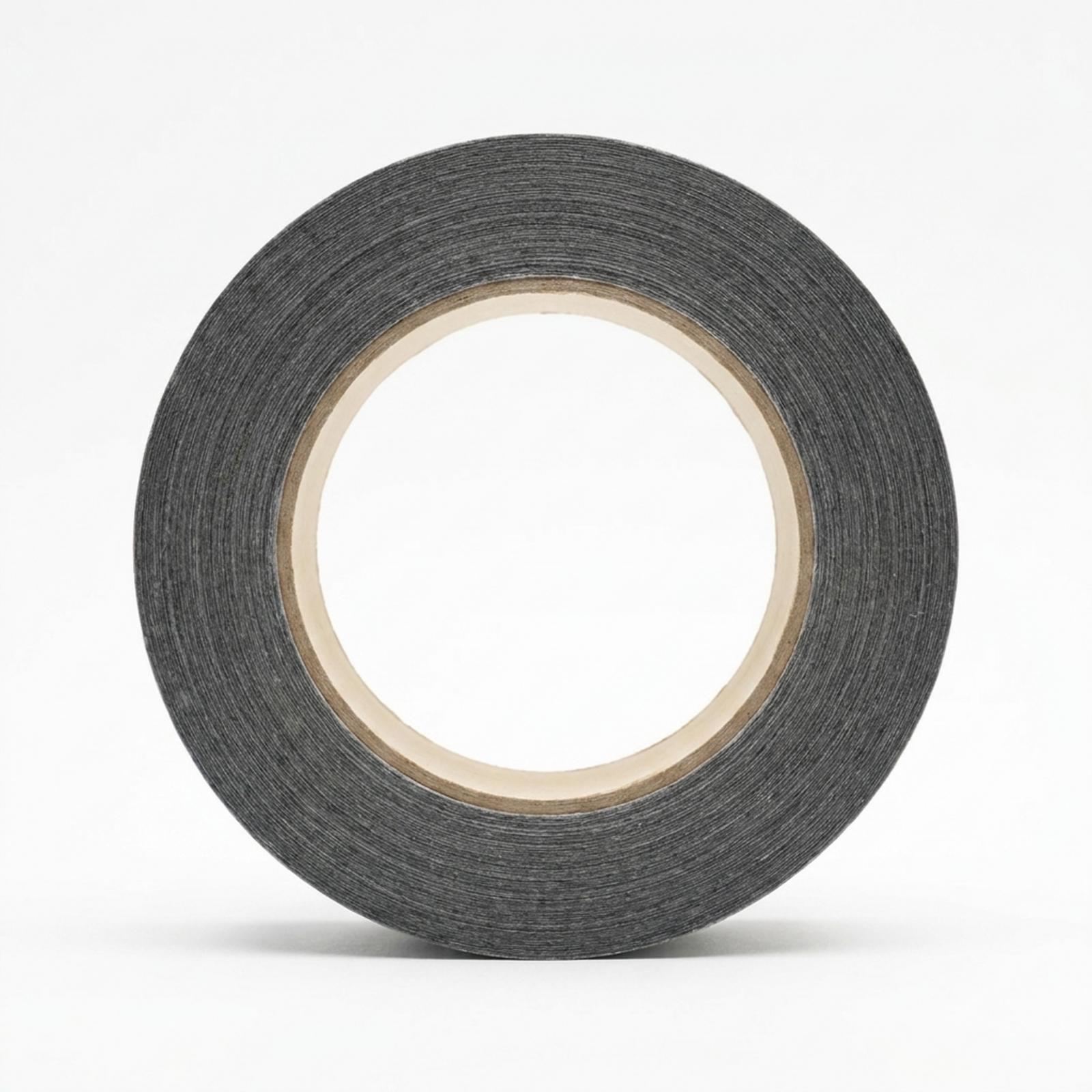
Waterproof cloth-backed duct tape, three rolls of 48mm x 45m, so 135 metres in a pack. Woven cloth rather than plastic film, for repairs that stay exposed to moisture.
£7.59
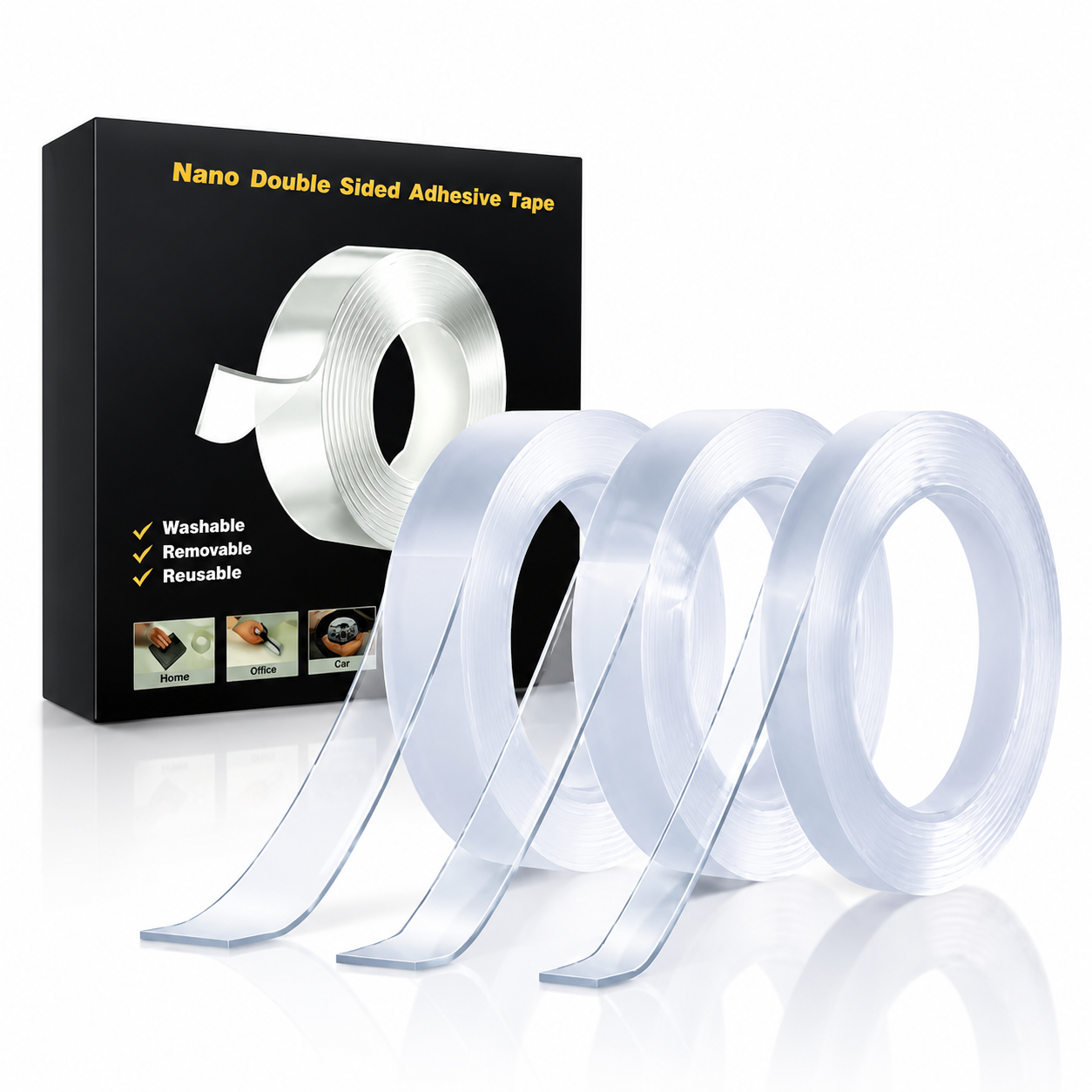
Double-Sided Tape
Strong transparent double-sided adhesive tape supplied in three useful widths for mounting, organising, securing and everyday fixing jobs around the home, office or workspace.
£10.98