
Duct & Cloth Tape
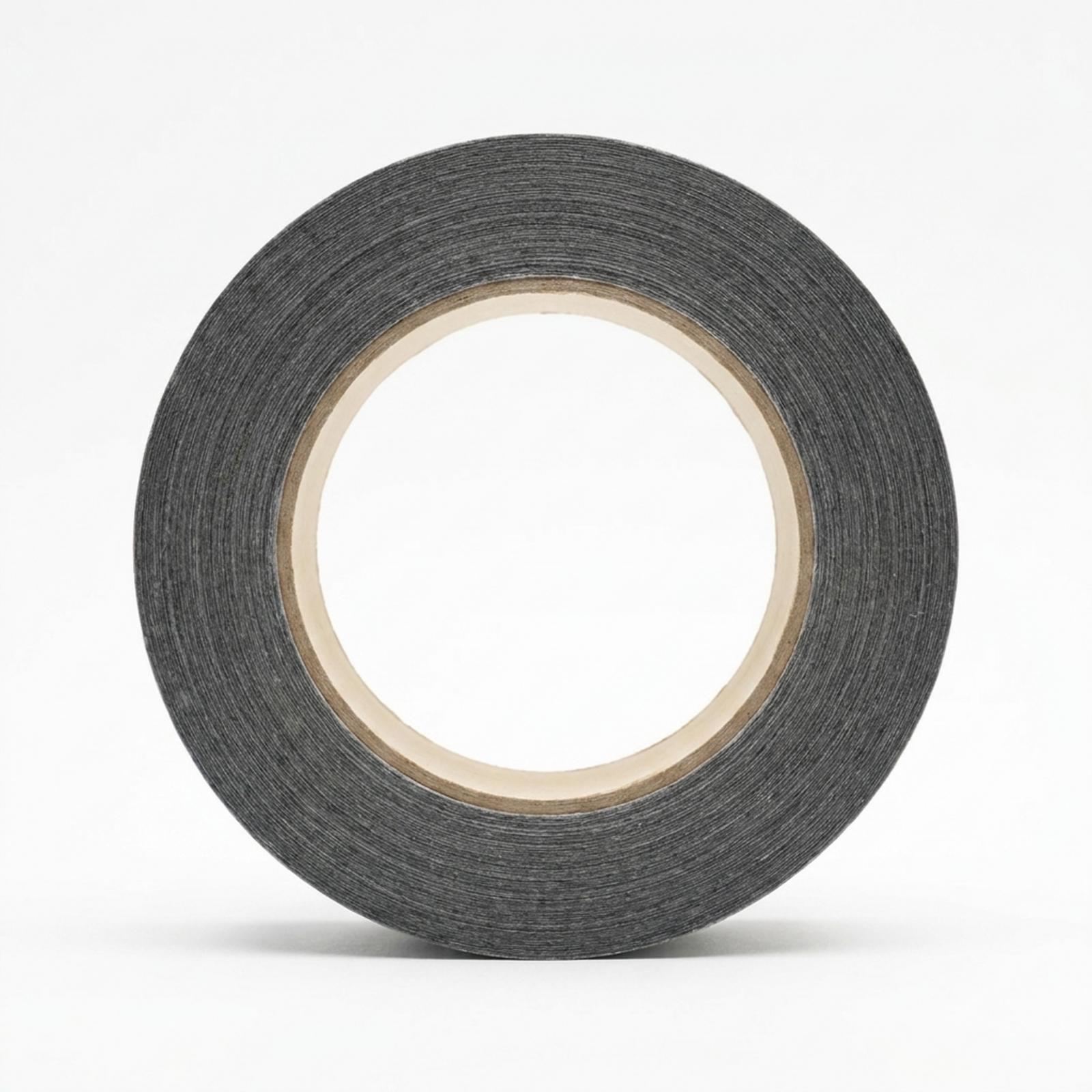
Black Heavy Duty Duct Tape 48mm x 45m – Pack of 3
Waterproof cloth-backed duct tape, three rolls of 48mm x 45m, so 135 metres in a pack. Woven cloth rather than plastic film, for repairs that stay exposed to moisture.
£7.59
Guide
The short answer
The difference between gaffer tape and duct tape is not what the labels suggest. Here is what actually differs, and the one property you should never assume.
Ask for gaffer tape in a British builders merchant and you will usually be handed a heavy duty cloth tape. Ask in a film or theatre supplier and you will be handed something quite different that happens to share the name. Most of the advice written online is about the second one.
That is the whole problem. These two words are not a specification, and choosing on the name alone is how people end up with a tape that holds perfectly well and still does the wrong job.
Less than you would think.
Duct tape is the more consistent of the two. It means a woven cloth carrier with a plastic film over one face, and that film is where its water resistance comes from.
Gaffer tape is the loose one. In film and theatre it means a matt cloth tape with an adhesive chosen so it lifts off a painted floor or a cable without marking it. In general British use, including on our own listings, it usually means a strong cloth tape and nothing more specific than that.
Neither word is regulated, and neither is a promise.
A cloth tape is a stack: adhesive, woven cloth, and sometimes a film. Reading it that way explains most of the confusion, because a tape can be extremely strong and not remotely waterproof.
So the useful question is never which name is on the label. It is which of those three layers you actually need.
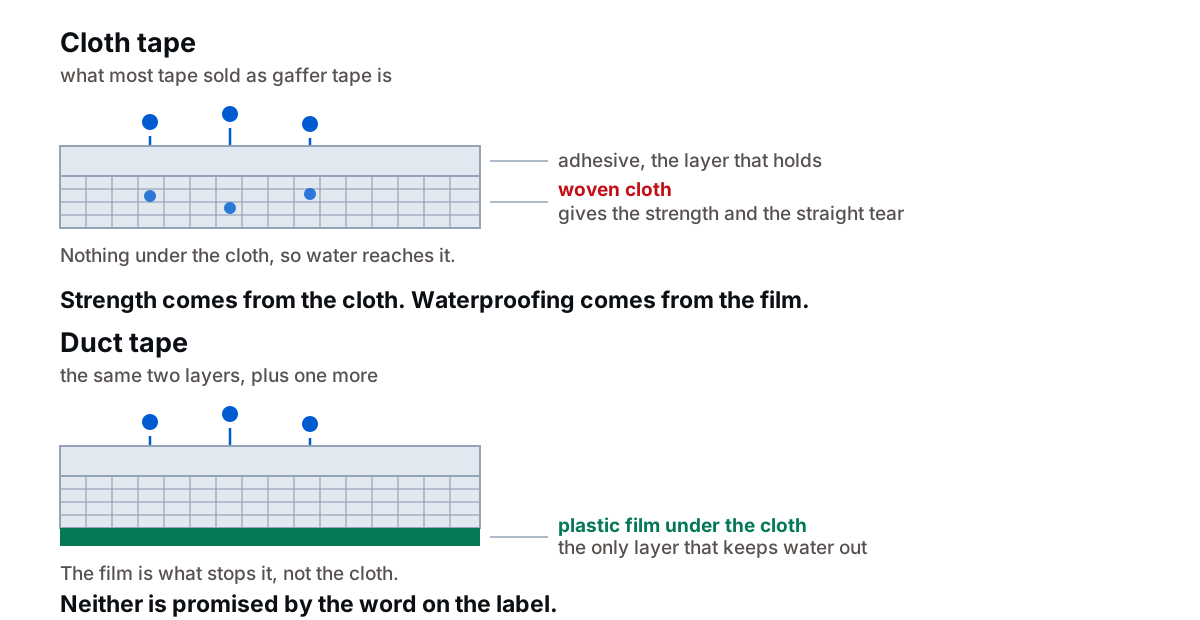
If it will be rained on, or it is going in a wet room, you need the film. Our heavy duty duct tape states waterproof on its specification table, which is the sort of thing worth reading rather than inferring.
If you are wrapping something awkward, bundling, or making a repair that has to hold hard, a strong cloth tape is the straightforward answer, and the pack size is the only real decision left.
If the surface matters more than the hold, read the next section before you buy anything.
Clean removal is a property of the adhesive, and it is the property most often assumed and least often stated.
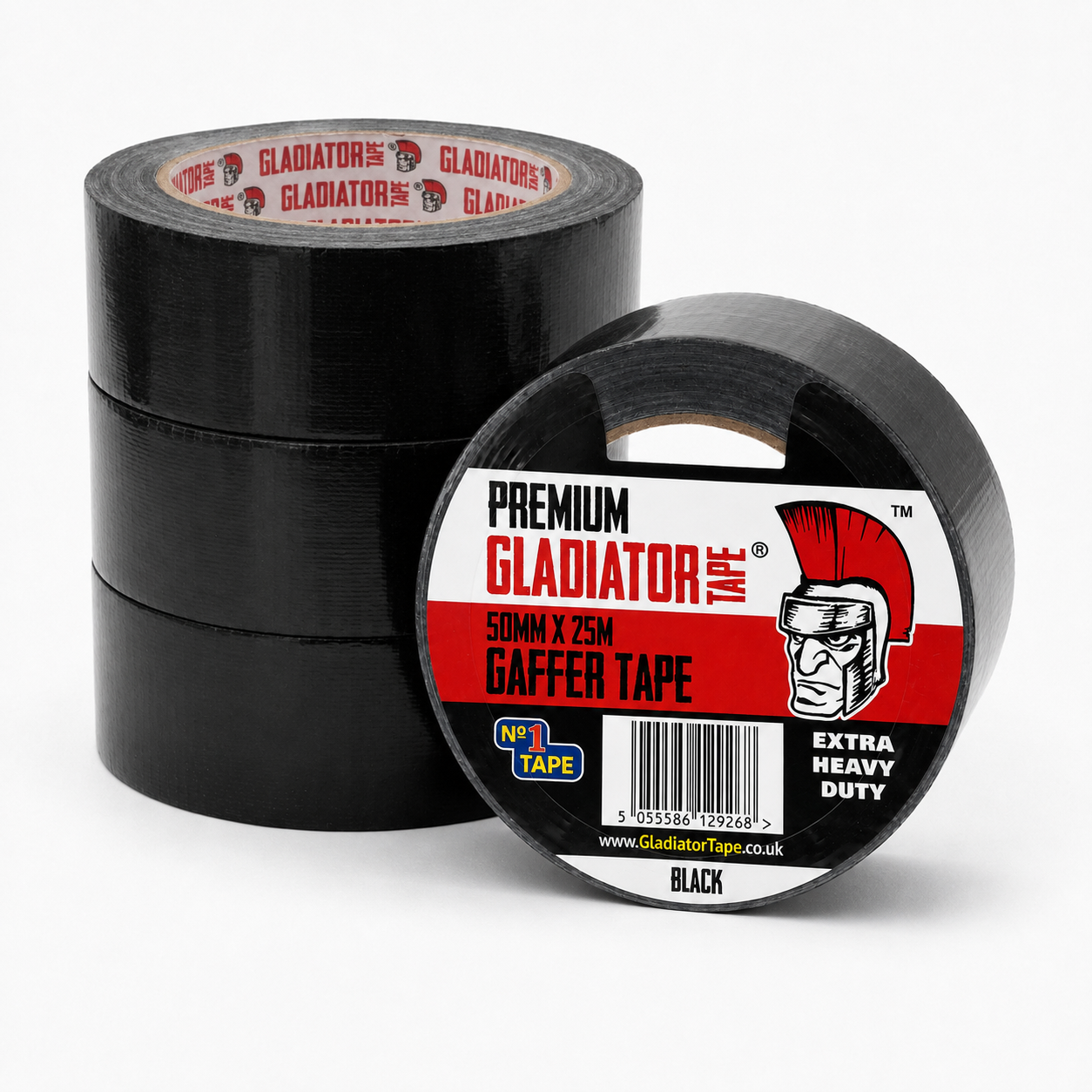
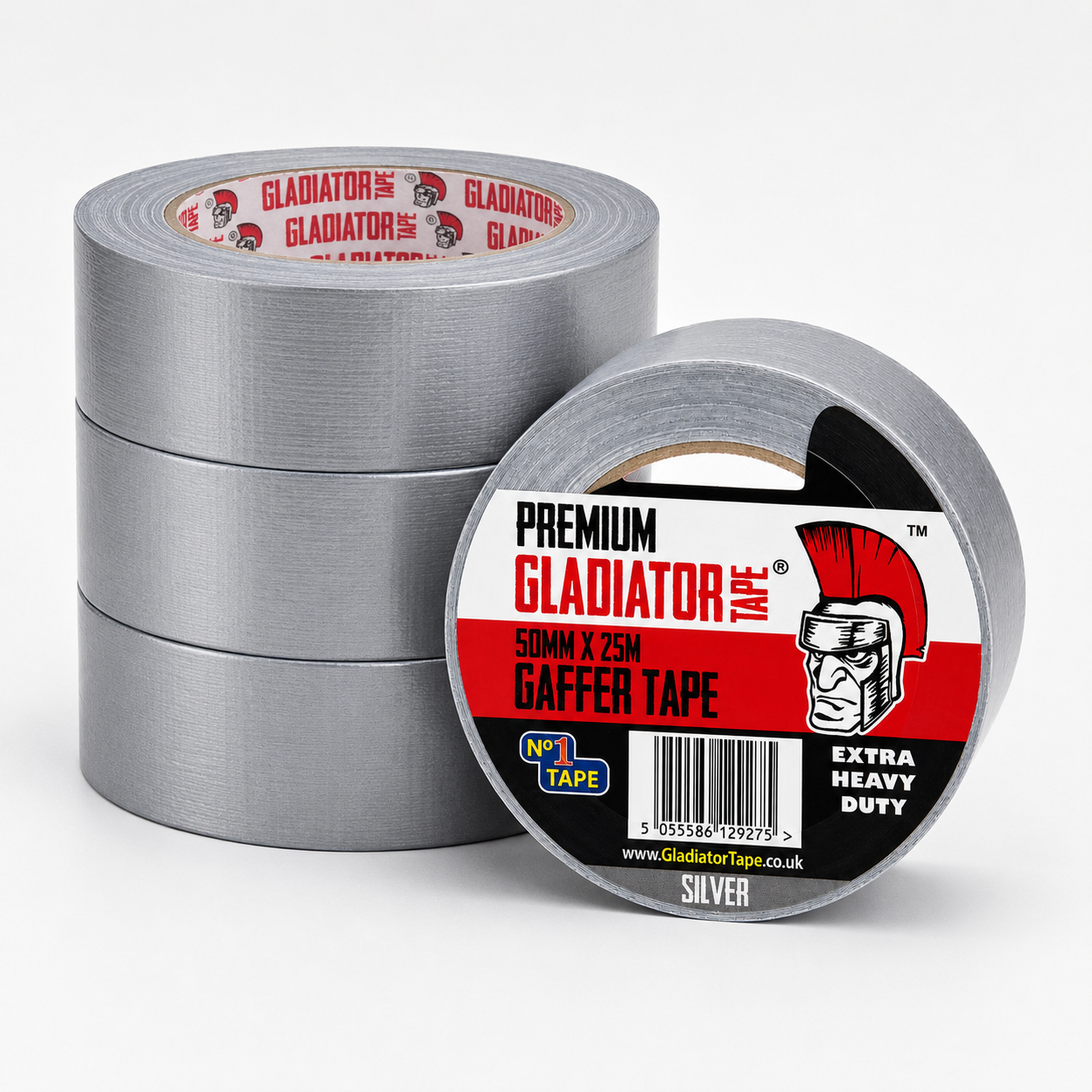
If you need tape to come off paintwork, a carpet, a laptop or a rented wall without leaving a mark, do not infer that from the words gaffer tape. Look for a listing that says so in as many words. Ours do not: the Gladiator range is described by its holding power, its 50 mesh cloth and its hand tearing, and it makes no claim about lifting cleanly. We would rather say that plainly than have you find out on a skirting board.
The same caution applies in reverse. A tape that peels away nicely is usually the wrong choice for something that has to survive a winter outdoors.
Strength comes from the cloth. Waterproofing comes from the film. Clean removal comes from the adhesive, and only if somebody has said so. The name on the roll tells you none of the three.
Duct & Cloth Tape
Waterproof cloth-backed duct tape, three rolls of 48mm x 45m, so 135 metres in a pack. Woven cloth rather than plastic film, for repairs that stay exposed to moisture.
£7.59
Duct & Cloth Tape
Pack Size
£3.98
Duct & Cloth Tape
Pack Size
£3.98
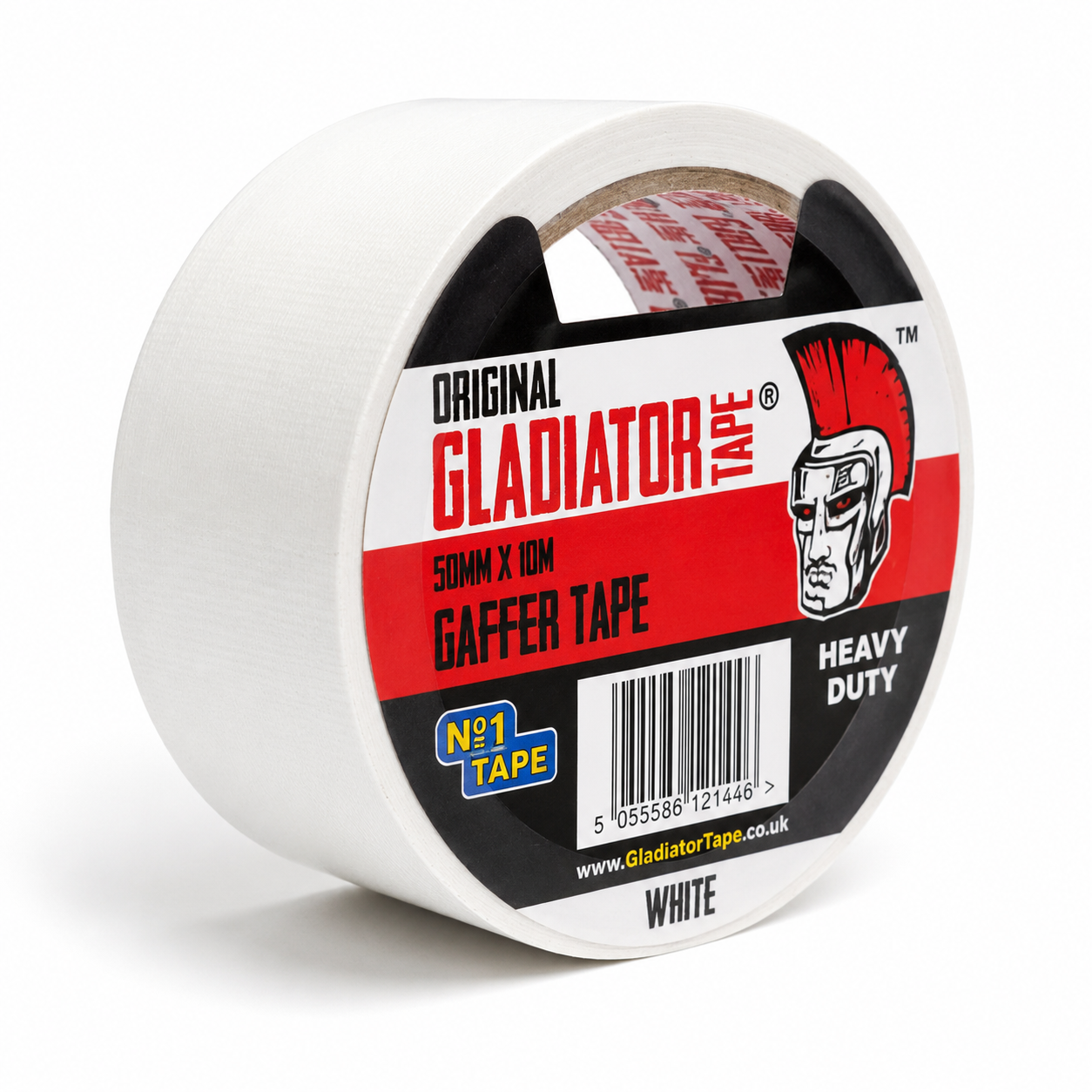
Duct & Cloth Tape
Pack Size
£3.98